
Diving Coiba National Park – World-Class Scuba Diving in Panama
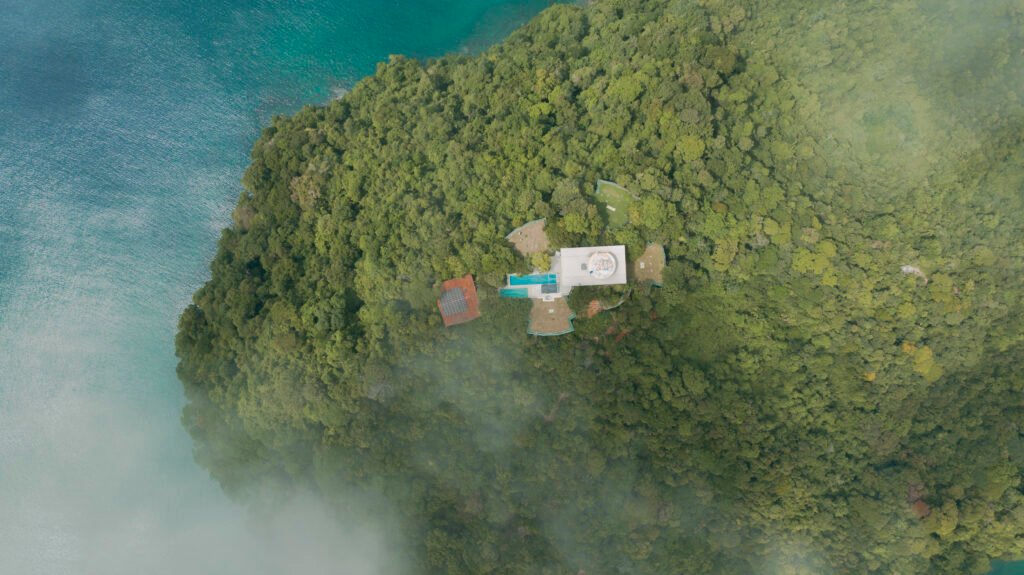
Diving Coiba National Park is widely considered the best scuba diving experience in Panama and one of the most exciting dive destinations in Central America. Located off the Pacific coast near Santa Catalina, Coiba protects one of the largest marine ecosystems in the Tropical Eastern Pacific.
Divers exploring Coiba National Park encounter thriving coral reefs, dramatic underwater pinnacles, and incredible pelagic marine life. The area is part of the famous Eastern Pacific marine corridor, connecting Galápagos, Cocos Island, Malpelo, and Coiba — a region often called the Shark Triangle. Since 2025 the area between Coiba and Malpelo (Coiba Ridge) is a protected marine zone connecting Coiba in Panama to Malpelo in Colombia.
For divers looking for encounters with sharks, manta rays, whale sharks, massive schools of fish, turtles and even whales, diving Coiba offers an experience comparable to some of the most famous dive destinations in the world, but without the crowds or the need for liveaboard expeditions.
Today the marine park is known for:
- Exceptional marine biodiversity
- Frequent encounters with sharks and large pelagic species
- Healthy coral reefs and large fish populations
- Dramatic underwater structures including seamounts and pinnacles
- Relatively uncrowded dive sites compared to many global dive destinations
Many divers describe Coiba as a hidden alternative to Galápagos or Cocos Island, offering similar marine life encounters but accessible from land-based dive operations.
Marine Life You Can See While Diving in Coiba
The waters around Coiba National Park are incredibly rich in marine life thanks to nutrient upwellings and the protected status of the marine park.
Divers regularly encounter:
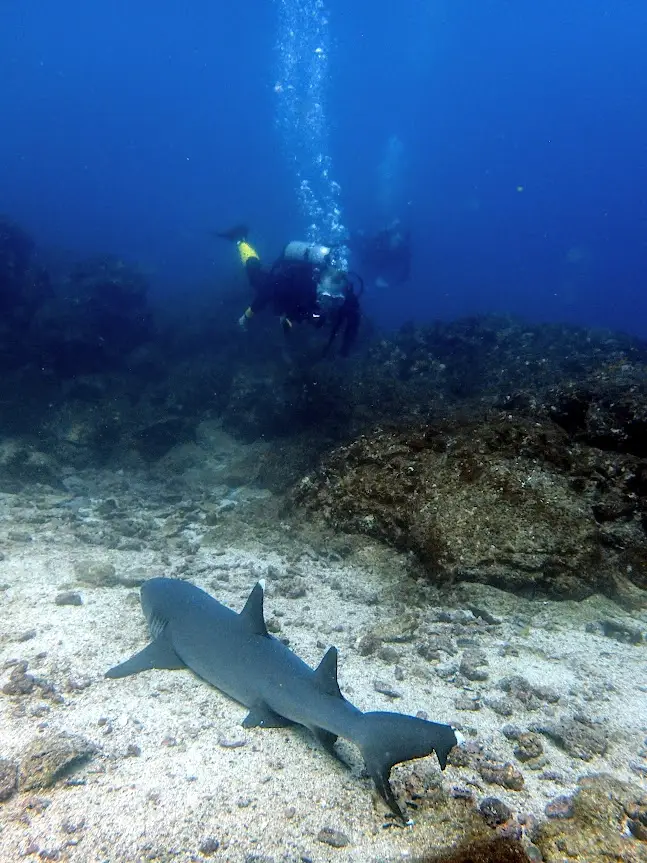
- White-tip reef sharks
- Bull sharks
- Hammerhead sharks (seasonal)
- Whale sharks (seasonal)
- Humpback whales (seasonal)
- Manta rays and mobula rays
- Sea turtles
- Large schools of jacks, snapper, and barracuda
- Moray eels and reef fish
- Healthy coral reefs
Large schools of fish often gather around the offshore pinnacles and islands, creating the type of big-fish diving experience many divers travel to Galápagos or Cocos Island to find.
Best Dive Sites in Coiba National Park
Coiba National Park offers more than 40 dive sites, ranging from shallow coral reefs to deep offshore pinnacles attracting pelagic species.
Some of the most famous dive sites include:
Bajo Piñón
One of the most exciting dive sites in Coiba, known for schools of fish, sharks, and strong currents that attract pelagic species.
Montaña Rusa
A spectacular underwater ridge where divers often encounter large schools of fish and reef sharks.
Buffet (Wahoo Rock)
Rocks with cleaning stations and schools of fish, one of the most colorful dive sites of Coiba National Park frequently visited by whale sharks in the season
Faro (Light House)
Can be dived from both sites starting directly on Canales Island going to almost 30 meters where a canyon is bringing you back up and through a swim through to the island. Massive schools of fish and white tip reef sharks in the shallow parts, bull sharks roaming the sand in the deeper area.
Isla Ranchería (Iglesia, Frijoles and Mali-Mali)
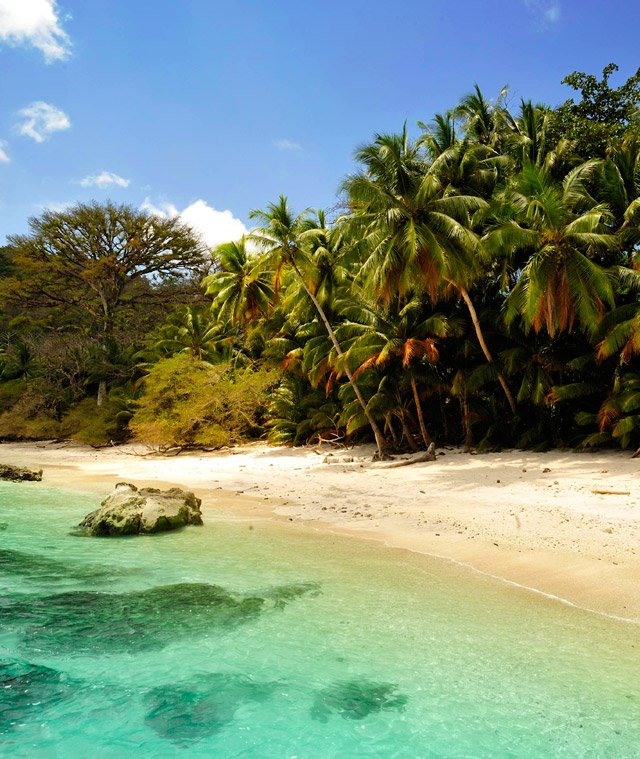
Beautiful dive sites with healthy coral reefs and frequent sightings of manta rays and sea turtles. And our favorite white sand beach inviting divers to enoy their surface interval.
Twin Peaks
One of the prettiest dive sites west of Coiba in front of Hermosa Beach, 2 seamounts covered in white soft corrals with 2 cleaning stations on top frequently visited by pelagic manta rays
These sites are just a few examples of the incredible diversity found while diving in Coiba National Park.
Why Experienced Divers Love Diving Coiba
Many experienced divers seek destinations where marine life is abundant and dive sites remain uncrowded.
Coiba offers exactly that.
Compared to other popular dive locations, Coiba provides:
- Wild, relatively untouched dive sites
- Large pelagic marine life
- Less dive traffic than many global dive hotspots
- The ability to dive world-class sites from land
For divers dreaming of Galápagos or Cocos Island-style diving, Coiba offers a similar ecosystem with much easier logistics.
Diving Coiba vs Galápagos, Cocos, and Other Famous Dive Destinations
Many divers researching scuba diving in Central America compare Coiba with other well-known locations.
Destination | Type of Diving | Access | Marine Life |
|---|---|---|---|
Coiba (Panama) | Pelagic + reef | Land-based diving | Sharks, manta rays, whale sharks |
Galápagos | Pelagic | Liveaboard required | Hammerhead schools, whale sharks |
Cocos Island | Pelagic | Liveaboard only | Large shark aggregations |
Belize | Caribbean reef | Land-based | Coral reefs and reef fish |
Roatan | Caribbean reef | Land-based | Coral reefs, macro life |
While each destination is unique, Coiba offers an exceptional balance between pelagic marine life and accessibility.
Diving Coiba National Park with Scuba Coiba
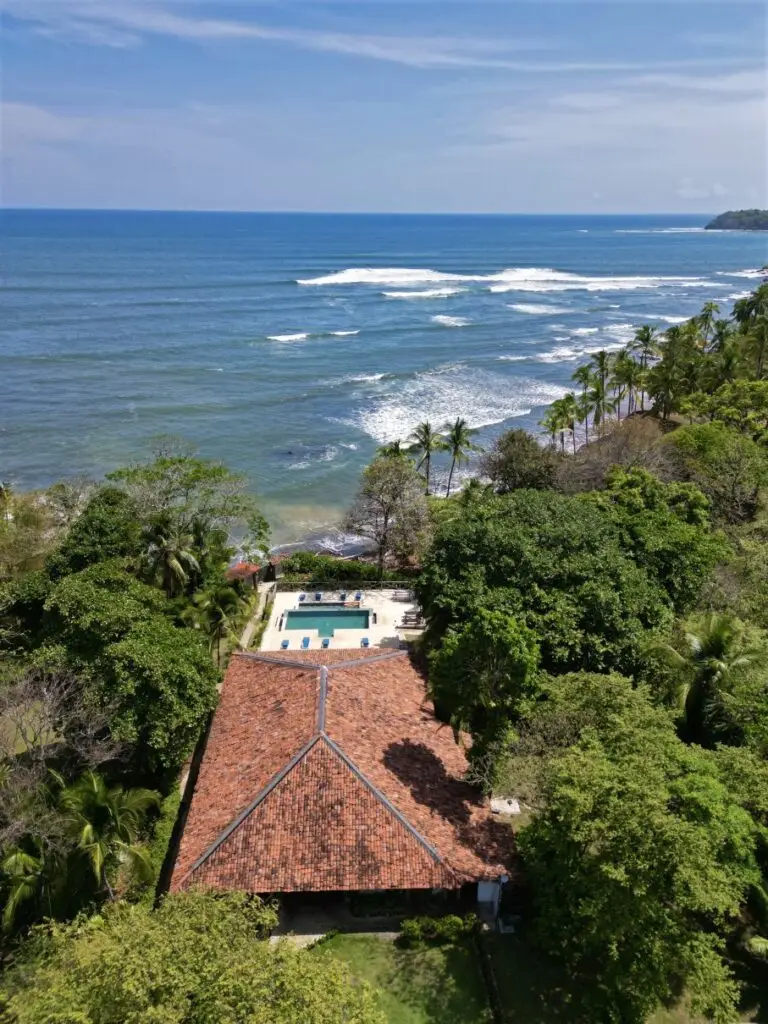
Scuba Coiba has been operating dive trips to Coiba National Park since 2003, making us the original dive center in Santa Catalina. Our dive operations focus on small groups, experienced local dive guides diving Coiba for many years, and carefully planned dives that maximize the chance of encountering the rich marine life Coiba is known for.
Divers choose Scuba Coiba for:
- Experienced dive guides with deep local knowledge
- Small dive groups for a relaxed experience
- One hour dive times
- Access to 40+ dive sites inside Coiba National Park
- Nitrox available for certified divers
- Multi-day dive trips for experienced divers
Our goal is to help divers experience the true potential of diving Coiba.
Where Diving Trips to Coiba Begin
Most dive trips to Coiba National Park start from Santa Catalina, a small fishing village on Panama’s Pacific coast that has become the main gateway to the marine park.
From Santa Catalina, dive boats reach the islands of Coiba National Park in roughly 60–90 minutes, depending on the dive site.
This makes it possible to enjoy world-class Pacific diving while staying comfortably on land.
Plan Your Coiba Diving Trip
If you are looking for one of the best scuba diving experiences in Panama and Central America, Coiba National Park offers extraordinary marine biodiversity and unforgettable underwater encounters. Our experienced team at Scuba Coiba is ready to help you plan your diving adventure and explore the incredible marine life of this protected Pacific paradise.
Contact us to learn more about diving Coiba National Park and our guided dive trips from Santa Catalina.
Frequently Asked Questions About Diving Coiba National Park
Is Coiba good for scuba diving?
Yes. Coiba National Park is widely considered the best diving destination in Panama due to its marine biodiversity, pelagic species, and protected marine environment.
Can you see sharks while diving in Coiba?
Yes. White-tip reef sharks are common, and divers may also encounter bull sharks, hammerheads, and whale sharks depending on the season.
Do you need a liveaboard to dive Coiba?
No. One of the advantages of Coiba is that it can be dived from land-based dive centers in Santa Catalina.
When is the best time to dive Coiba National Park?
Diving is possible year-round, though marine life sightings vary by season.
How many dive sites are in Coiba National Park?
There are more than 40 known dive sites, including coral reefs, pinnacles, and offshore islands.